
What Bears the Image?
10-18-2026Weekly Reflection© LPi Fr. John MuirOccasionally, I'll slip into a parish I've never visited before, pick up the bulletin, and find one of my Gospel reflections. My heart usually swells with a bit of affection for my creation. I imprint a bit of myself into my little "literary labors of love."Anyone who has created something - a piece of writing, a garden, a meal, a child - knows that feeling. We love the things into which we put ourselves. We are happy when they return to us.
READ MORE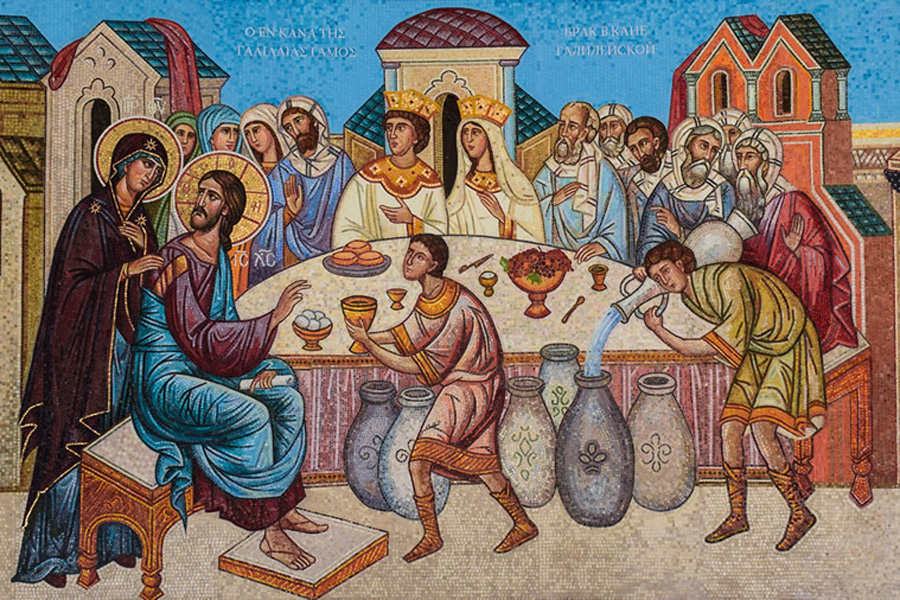
The Wedding Banquet
10-11-2026Weekly Reflection© LPi Fr. John MuirSome friends invited me to one of the most famous and expensive restaurants in the country. I was grateful and eager to go. One invited friend even flew from another state for the experience. Every bite and sip was truly memorable and delicious. But my friends' teenage children spent much of the time on their phones, complained about the food, and generally ignored the once-in-a-lifetime experience. I wanted to yell, "C'mon, you guys! Look what you're missing!"
READ MORE
The Entrusted Vineyard
10-04-2026Weekly Reflection© LPi Fr. John MuirHave you ever felt likeyour attempts at prayer are а waste of time? I have. Early in my priesthood,I noticed that my prayer life was weakening.Awe and eager expectancy of contact with God had given way to routine. Igradually spent less and less time praying. Nothing dramatic had happened, but my attitude toward God had changed, and Iwas losing the desire to pray.
READ MORE
The Father’s Vineyard is Still Open
09-27-2026Weekly Reflection© LPi Fr. John MuirThis Sunday, Jesus tells a short, uncomfortable story. A father asks two sons to go work in the vineyard. One says no, but later goes. The other says yes, but never shows up. It is a parable so simple, we almost miss how sharp it is. Jesus is clear about who it is for. This is not aimed at pagans or outsiders. It is aimed squarely at religious people, people who know the right words and sound obedient.
READ MORE
Grace in the Vineyard
09-20-2026Weekly Reflection© LPi Fr. John MuirEvery December, the priests of my diocese gather for a Christmas dinner with our bishop. Nearly 200 of us in one room: newly ordained and long retired, pastors of large parishes and quiet confessors, men full of energy and others moving more slowly. Some carry visible success; others bear hidden wounds. It is a tapestry of vocations and lives. When the bishop thanks us, I am always moved. For a moment, none of our differences matter. What matters is that we belong to one another.
READ MORE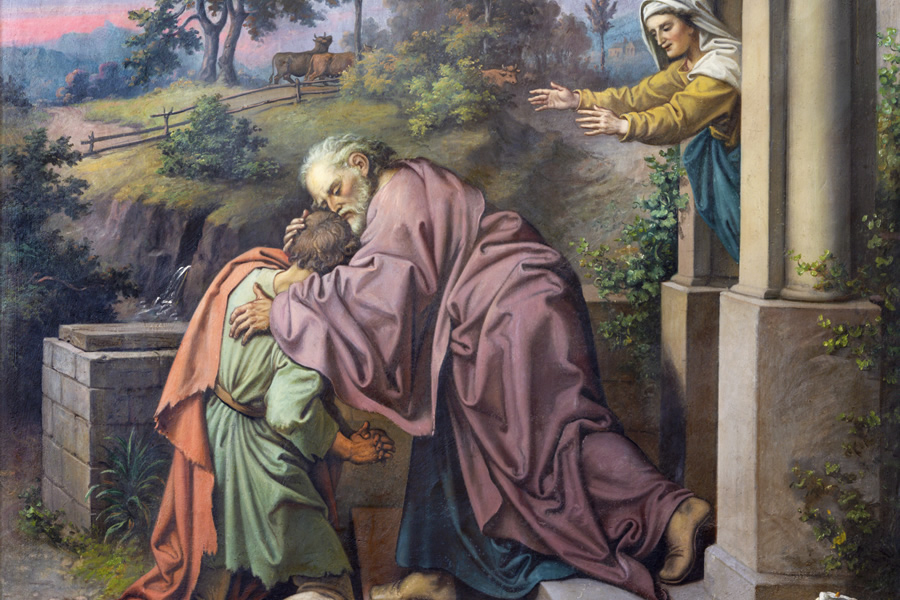
Forgiveness
09-13-2026Weekly Reflection© LPi Fr. John MuirIn my parish, there was once a new employee who frequently told me she was sorry for various imperfections in her work. It could be a little tiring. I finally told her, “You know, you don’t have to say ‘sorry’ so often.” She looked me right in the eyes and said, “Father, you’re right. I’m sorry.” Her ear-to-ear grin betrayed that she enjoyed the irony — and that she would keep asking for forgiveness as often as she needed it.
READ MORE
Treat Him Like a Gentile
09-06-2026Weekly ReflectionJesus gives instructions for ministering to those persisting in error. Here’s the CliffsNotes version: If all else fails, “treat him as you would a Gentile or a tax collector.”
In other words? Don’t give up. Tell him the truth. Wash, rinse and repeat.
Technically speaking, I’m a Gentile. I’ve done those mail-in DNA tests, and none of my ancestors were Jewish. So whoever told my family about the God of Abraham, it wasn’t Moses, and it probably wasn’t Jesus himself, unless he spent some time in northwestern Europe that the Gospels fail to mention.
READ MORE