
First Sunday of Advent
11-30-2025Weekly ReflectionFr. John MuirA few years ago, my house was broken into on Super Bowl Sunday. Turns out, it's a great day for burglars. If the TV isn't on, people are probably watching the game somewhere else, so ... easy pickins'. I'll never forget walking into my bedroom and realizing someone had been there. My stuff was thrown all over the floor. The closet was torn apart. It was disorienting and disturbing - someone had invaded the space I thought was secure. After that, I bought an alarm system. And every Super Bowl Sunday since, I'm extra careful to lock the doors and keep the lights on. That experience made me more alert. Not scared. Just attentive.
READ MORE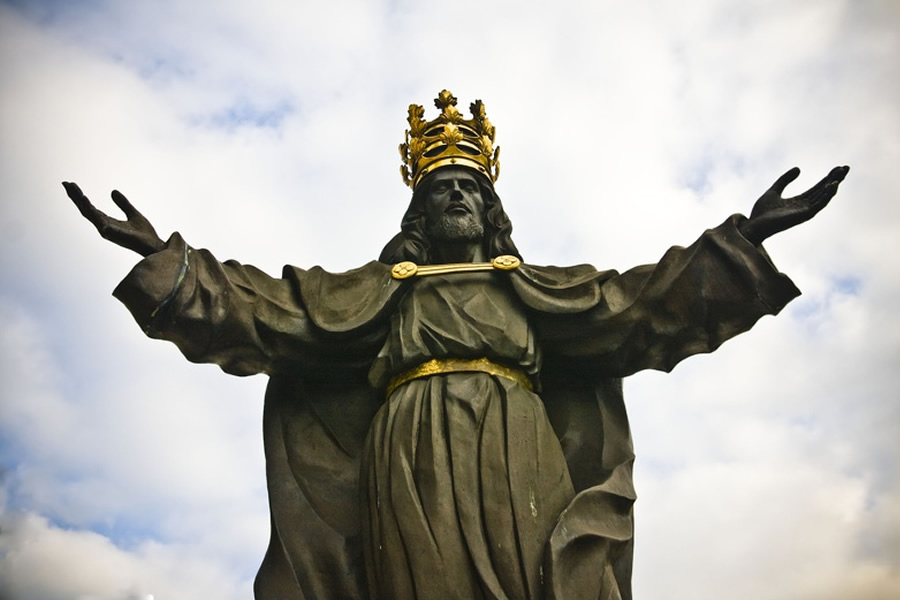
Our Lord Jesus Christ, King of the Universe
11-23-2025Weekly ReflectionFr. John MuirNot long ago, I was called to a hospital to anoint a woman in her early 80s. She was dying, and visibly in pain. But what struck me most wasn’t her suffering — it was the atmosphere in the room. She had eight children and 30 foster kids, and many of them were gathered around her. You’d expect sorrow, fear, maybe even despair. But the room was filled with something else entirely — a quiet strength, a kind of sweetness. It was as if she was suffering not just with them, but for them. And they, in love, were suffering for her. The pain was real. But so was the peace. I didn’t want to run. I felt as if I was in a little paradise, beeping machines and all.
READ MORE
Thirty-Third Sunday in Ordinary Time
11-16-2025Weekly ReflectionFr. John MuirWhen I was a kid growing up in New England, I'd occasionally go on a whale watch. Once we went out with calm waters and clear skies. But on the way back in, the sea got rough. I was just a kid, and I remember thinking we should turn left or right toward the shoreline I could see. But the pilot of the boat kept going straight - right into the waves - focused on a small, discouragingly distant lighthouse. Even when it flickered in and out of sight, he stayed the course. He knew where he was going.
READ MORE
The Dedication of the Lateran Basilica
11-09-2025Weekly ReflectionFr. John MuirWhen I was 22, I entered St. Peter’s Basilica for the first time. It floored me. I could hardly take it in, its grandeur, majestic arches, vibrant colors, and the light that danced through its high windows. Somehow, amidst such splendor, I felt an overwhelming sense of belonging, as if I had finally come home.
Jesus reorients how we Catholics see sacred buildings. In today’s Gospel he says, “Destroy this temple, and in three days I will raise it up” (John 2:13-22). His riddle implies, shockingly, that his own body is now the fundamental dwelling place of God and humanity. The temple in Jerusalem has been superseded.
READ MORE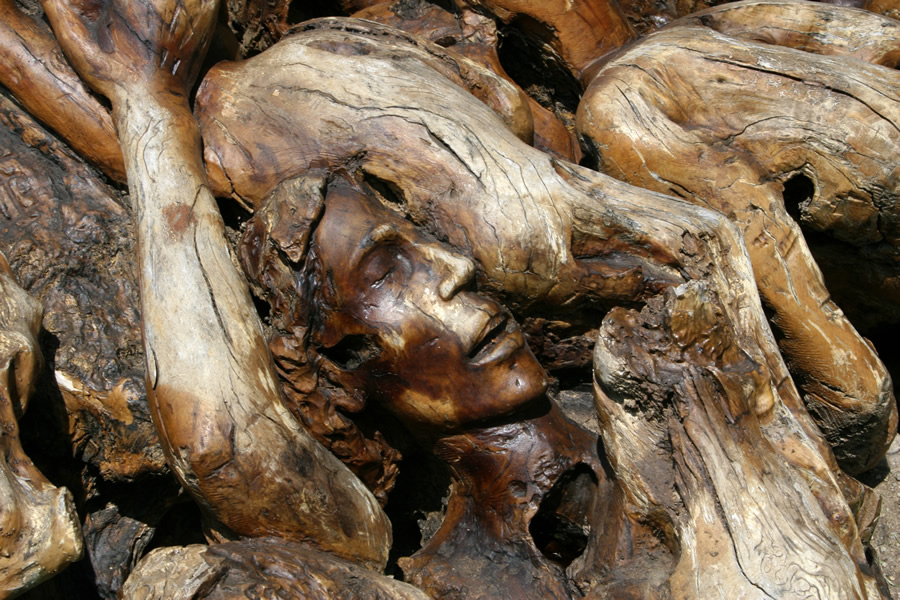
The Commemoration of All the Faithful Depart
11-02-2025Weekly ReflectionFr. John MuirI lost my wallet this year. It was such an annoyance to replace everything in it. A friend, moved by sympathy, gave me a beautiful new one. One month later I lost that one, too, with all my newly replaced cards. No matter what I did, I couldn't find what I had lost. I resigned myself to never seeing either of my wallets again.
READ MORE
Thirtieth Sunday in Ordinary Time
10-26-2025Weekly ReflectionFr. John MuirI lost my wallet this year. It was such an annoyance to replace everything in it. A friend, moved by sympathy, gave me a beautiful new one. One month later I lost that one, too, with all my newly replaced cards. No matter what I did, I couldn't find what I had lost. I resigned myself to never seeing either of my wallets again.
READ MORE
29th Sunday in Ordinary Time
10-19-2025Weekly ReflectionFr. John MuirA woman in my parish has an adult son who has rejected his faith. She prays for him every day. She lights candles, says rosaries, and asks God again and again to bring him back. But nothing changes. Is God listening? Is He delaying? She told me once that she feels like the widow in Jesus' strange parable - crying out for justice, but hearing only silence. And yet, she said, she is at peace. I asked why. She responded, "God is already answering. I just can't see it yet."
READ MORE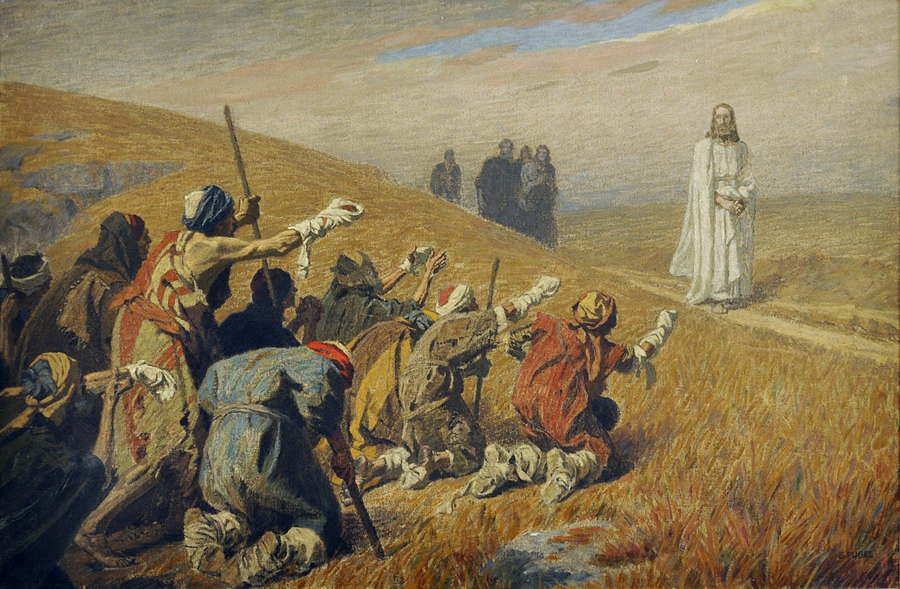
28th Sunday in Ordinary Time
10-12-2025Weekly ReflectionFr. John MuirDorothy Day, the great Catholic activist, doubted God's existence. At least in her early adult years. But something changed when after giving birth to her daughter, she experienced an overwhelming gratitude. She later described how, as she held her daughter, the only appropriate response was a kind of unlimited gratitude. She had done nothing to deserve such a gift - this tiny, miraculous life - but there she was, flooded with gratitude, completely undone by the love of such a Giver.
READ MORE
27th Sunday in Ordinary Time
10-05-2025Weekly ReflectionFr. John MuirA priest friend of mine received a call from a family whose elderly mother was dying. Within thirty minutes, he was at her bedside, offering the consolation of the sacraments, anointing her with the oil of the sick, and commending her soul to God. She passed not long after, and for months, her family spoke of their deep gratitude for his presence. When I phoned him to commend his faithful ministry, he simply said, "I was just doing my job."
READ MORE
26th Sunday in Ordinary Time
09-28-2025Weekly ReflectionFr. John MuirEncourage Deeper Understanding of Scripture I am embarrassed to admit that I frequently find myself dining and socializing with people who have millions and sometimes billions of dollars. I've eaten more caviar, lobster and wagyu steak than most people on the planet. I justify it by saying it's part of my job. But I have seven pairs of nice jeans and expensive shoes.
READ MORE
25th Sunday in Ordinary Time
09-21-2025Weekly ReflectionFr. John MuirBefore I was a priest, I was a lazy worker for a retail Apple store. Hearing a rumor that my boss was going to fire me, secretly sold iPhones for half-price, gave away dozens of free iPads, and donated several brand-new laptops to managers in other stores in the mall. After a week, my boss called me into his office. He knew what I was up to. He said I had cost the store thousands of dollars. "Really great work, John," he said. "I am going to recommend you to be my assistant manager and double your pay." I was amazed.
READ MORE
The Exaltation of the Holy Cross
09-14-2025Weekly ReflectionFr. John MuirOne of my favorite movies is the 1991 comedy What About Bob? Bill Murray plays a troubled, paranoid hypochondriac named Bob Wiley who innocently but annoyingly hounds Dr. Leo Marvin, played by Richard Dreyfuss. Bob is paralyzed by his fear of, well, everything, and is convinced the psychologist can heal him. But Dr. Marvin’s failed attempts to heal Bob end up driving the doctor to attempt to murder Bob. He fails. The surprise is that, having faced death head on, Bob is suddenly healed. He attributes his healing to Dr Marvin for break-through “death therapy.” In facing the cause of his deepest illness and dysfunction, Bob is healed.
READ MORE
23rd Sunday in Ordinary Time
09-07-2025Weekly ReflectionFr. John MuirOne hot Arizona summer afternoon my car ran out of gas. I phoned the parish office and begged for help. My secretary came and helped me fill the gas tank. She chided me, “If you can’t manage getting your car from A to B, how can we expect you to guide the parish where it needs to go?” Point taken, Julie. I vowed to always make sure I have plenty of gas in my car.
READ MORE